
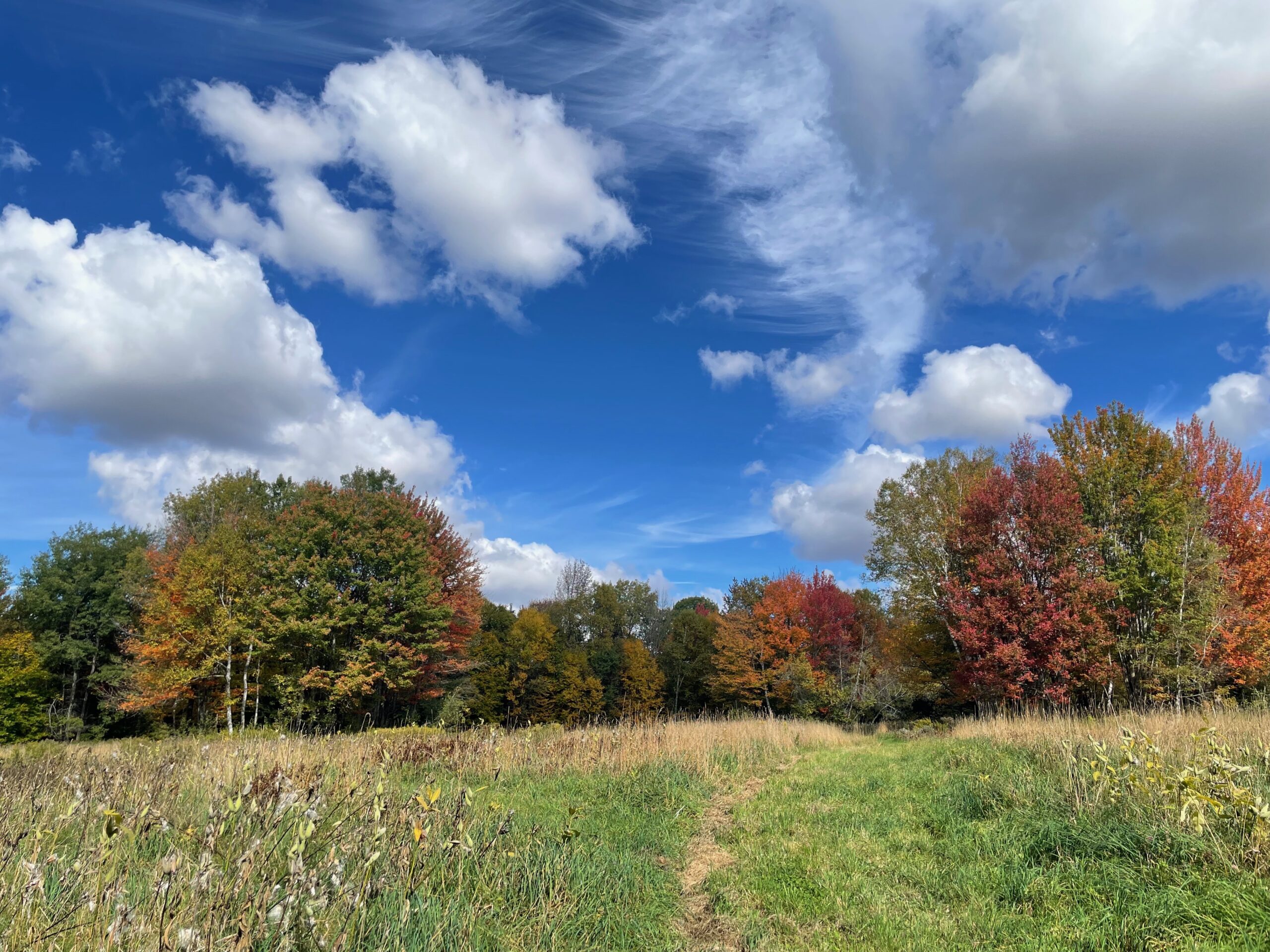
Harnessing the magic of fall for stunning seasonal photography
Autumn is a gift to photographers. The golden sun dips low, the garden slows down, and every corner seems touched with warmth and memory. Whether you’re shooting marigolds still in bloom, harvesting pumpkins, or capturing the final flashes of leafy greens, fall light and color can bring incredible depth and richness to your garden photography.
In this post, we’ll explore how to use autumn’s unique lighting, tones, and textures to elevate your images—with tips for both smartphones and DSLR/mirrorless cameras.
1. Work With the Autumn Light
Embrace Golden Hour (More Than Ever)
Autumn’s golden hour—just after sunrise or before sunset—is warmer, softer, and longer than in summer.
How to use it:
- Shoot backlit subjects (sun behind plants) to highlight textures like fuzzy stems or dewy leaves.
- Try side lighting to emphasize the shape and shadows of wrinkled kale, twisted vines, or stacked gourds.
- Use a reflector (or white foam board) to bounce that golden light into shadowy areas.
📸 Pro Tip: In fall, golden hour happens earlier in the evening—check the times and plan ahead!
Cloudy Days = Softbox Magic
Don’t skip cloudy days. The diffused light acts like a giant softbox and can flatten harsh contrasts, making colors pop without glare.
Best for:
- Shooting colorful leaves, berries, and squash
- Capturing soft, moody textures like seed heads, wilted petals, and drying vines
2. Use Autumn Colors to Tell a Story
Fall gardens are full of reds, rusts, golds, and purples. These colors don’t just look pretty—they evoke emotion, richness, and change.
Tips for Using Color Compositionally:
- Use complementary colors: Golden leaves + blue sky or purple cabbage + orange pumpkins
- Create monochromatic harmony: Focus on a single palette—like red peppers, rusted tools, and red dahlias
- Let green become the contrast—as it fades, remaining leaves or herbs can help cooler colors pop
Color Pairings to Try:
| Warm Base | Cool Accent |
| Orange marigolds | Silver sage |
| Yellow squash | Deep purple basil |
| Red maple leaves | Blue-green kale |
3. Adjust Your Angles for the Season
- Shoot low to the ground to capture fallen leaves, trailing vines, and ground-level crops like beets and turnips.
- Use overhead shots to highlight color spreads (especially flat lays of harvested produce).
- Try close-up textures of drying seed heads, leaf veins, or frost-tipped herbs.
Autumn is full of contrast—dry and fresh, green and rust, growth and decay. Frame them together.
4. Ideal Settings and Gear Tips
Smartphone Tips:
- Use portrait mode for shallow depth of field with apples or flower heads
- Tap to expose for highlights—like a backlit leaf—to preserve color
- Try a lens attachment like the Moment Macro Lens
DSLR/Mirrorless Tips:
- Shoot wide open (f/2.8 – f/4) for creamy fall backgrounds
- Use a polarizing filter to reduce glare and enhance color saturation
- Capture macro textures with a lens like the Canon EF 100mm f/2.8L
5. Add Movement & Life
- Photograph leaves blowing, steam rising from compost piles, or your hands harvesting root vegetables
- Include fall props like baskets, blankets, wool, or tools with patina
- Use time-lapse or video for rustling trees or the long golden glow setting over your garden beds
6. Post-Processing Tips
- Use Lightroom or Snapseed to gently enhance warmth (try increasing temperature and vibrance slightly)
- Boost contrast to emphasize the season’s deep shadows and glowing highlights
- Use a subtle vignette to focus the eye inward on cozy subjects like pumpkins or peppers
Avoid oversaturating reds and oranges—let the season’s color speak for itself.
Autumn Shot Ideas to Try
- A basket of produce on fallen leaves
- Sunlight streaming through translucent chard
- Marigolds at dusk with dried stems
- Raindrops on kale or cabbage
- Frost-tipped rosemary in morning light
- A compost pile steaming on a cool day
- Tools resting after harvest
Final Thoughts: Photographing Transition
Autumn in the garden is a story of change—color shifting, textures aging, light growing long. Let your camera slow down with the season. Observe more. Shoot less. Frame the nostalgia, the warmth, the honesty.
The best fall photos aren’t always the boldest—they’re the ones that feel just like being there.
No responses yet